

Air Source Heat Pumps (ASHP)
Your ASHP takes heat energy from the air outside and warms it further. It then transfers the heat to your radiators and hot water system.
When installed with good insulation, your ASHP helps reduce the amount of energy needed to keep your home warm.
It works a little differently than a traditional gas boiler. So we have created this leaflet to make sure you are using it in the most efficient way possible.
What you need to know
Keep it on
It is more efficient to keep your heat pump settings constant, rather than turning it on and off. Heating a cold house takes more energy than maintaining a steady temperature. Your heat pump will work better if you heat your home steadily over a longer time. It requires less electricity to keep temperatures at a consistent, comfortable level.
Thermostat
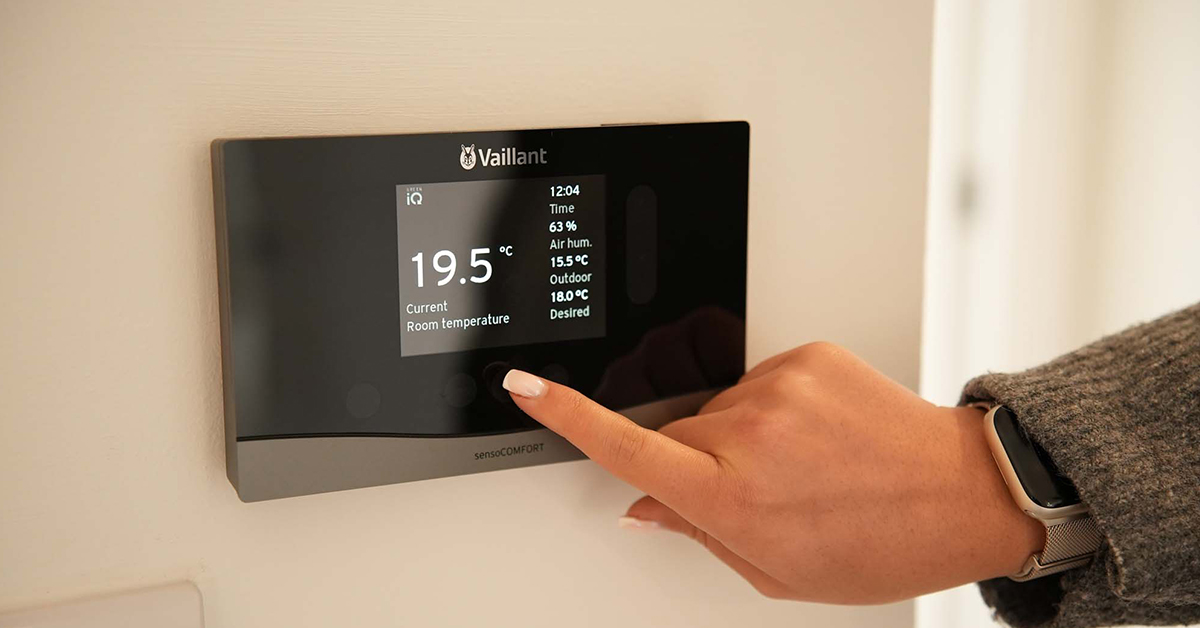
Aim for a daytime average temperature of between 18°C and 21°C, and a slightly lower temperature at night if you prefer. Set your desired temperature using the thermostat rather than changing the settings on the ASHP. Adjust the thermostat average temperature by 1°C or 2°C at a time, to allow the system to slowly respond. The heat pump will then provide comfortable temperatures throughout the day and night.
Hot water
The heat pump also provides hot water. You can adjust the temperature on the thermostat or control panel, with 45°C often recommended. Try to avoid using the immersion heater for hot water as this will increase your energy use and cost you more. Only use your immersion for emergencies when there is no other hot water and turn it off when it is no longer needed. Your heat pump will be set to heat the water to 60°C once a week to kill any harmful bacteria that could grow in the tank.
Radiator controls
Use thermostatic radiator valves (TRVs) to control the temperature in individual rooms. For optimal efficiency, keep TRVs fully open in frequently used rooms. TRVs can be set to a lower temperature in rooms you use less, but they should still be on to avoid issues with condensation.
Windows and doors
Keep windows and doors closed when your heating is on. Please make sure the trickle vents on your windows are open to prevent condensation, especially in your kitchen and bathroom.
Energy tariffs
There are several energy providers that offer specific tariffs for customers who have an ASHP installed. They will charge different rates for the electricity based on when it’s used. If you use your ASHP efficiently, this can potentially lower your bills. You can also set your ASHP to heat your radiators and hot water at times of the day when electricity is cheaper. If you would like more information about what tariffs are available, please contact us.
If you have an electric cooker and heat pump, and no gas in the property, you can ask your energy provider to stop your gas supply. They can remove your gas meter, so you don’t pay a standing charge for gas, saving you a significant amount of money each year.
Holiday mode
If you are going away, use the ‘holiday mode’ setting on the thermostat. This will reduce energy consumption while you are gone. If this setting is not available, lower the thermostat a few degrees instead of turning it off. This will save energy and make it easier to warm your home when you return.
Maintenance
Our maintenance teams will contact you to arrange an appointment each year to check how your ASHP is working. Please allow us access to your home so we can make sure the ASHP is working well for you. Also, please report any heating and hot water problems or error codes on your digital display. Contact us through the customer portal link, which is at the top of every page of our website, or call 0300 1311 999.